

How Often Should You Power Wash Your Cape Cod Home?
A Simple Schedule for Clean Surfaces
Power washing keeps your home looking sharp and protects it from buildup, but how often should you actually do it? Wash too rarely and grime, mold, and algae take hold. Do it too often, or with too much pressure, and you can wear down your surfaces.
On Cape Cod, salt air and coastal humidity make homes dirty faster than in drier places, so the schedule here is a little different. The right timing depends on the surface, since your house, roof, deck, and driveway each collect grime at their own pace.
In this guide, we walk through why Cape Cod homes get dirty so fast, how often to wash each surface, and the signs it's time to wash right now.
Why Cape Cod Homes Get Dirty Fast
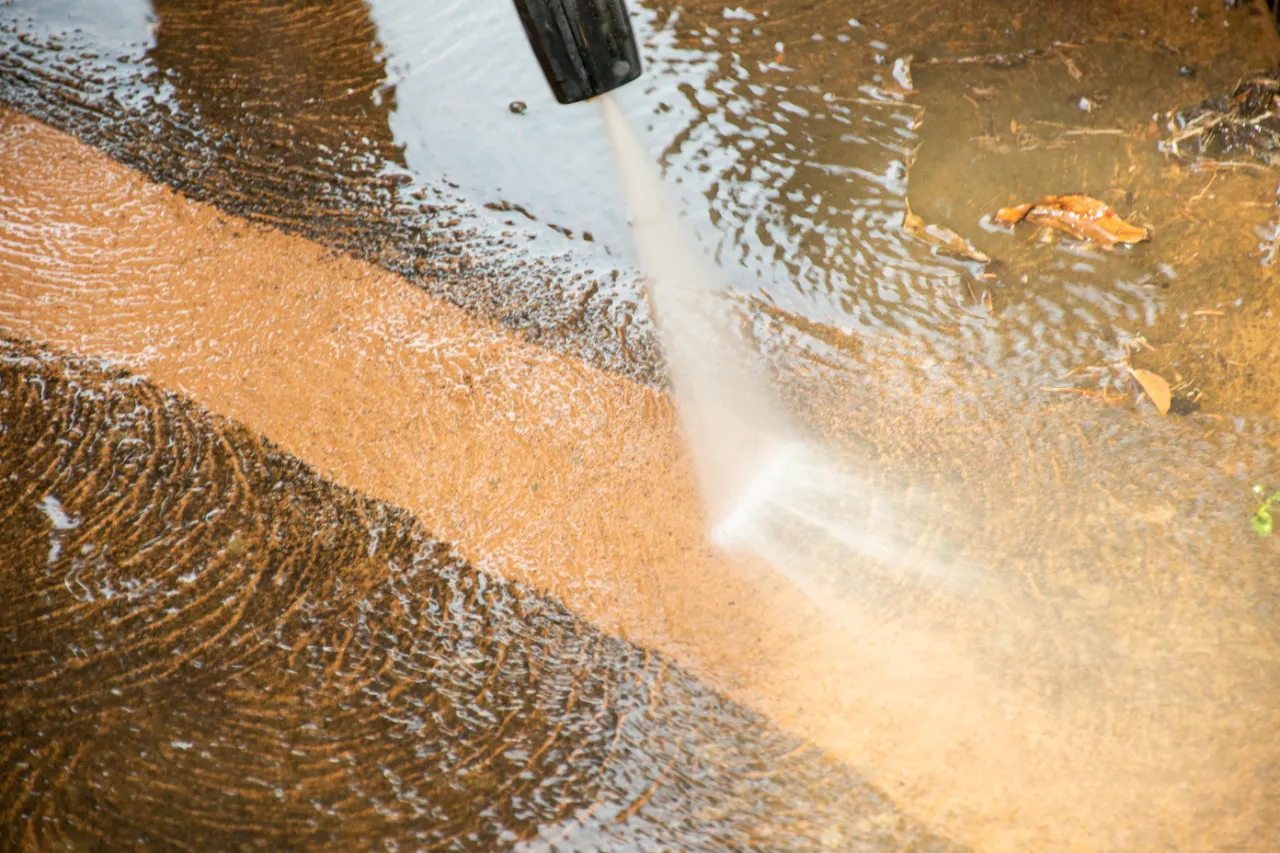
Coastal living is beautiful, but it's tough on exteriors. Salt air settles on every surface and holds onto moisture, which feeds mold, mildew, and algae. That's why you see green and black streaks creep over siding and roofs here faster than inland.
Humidity off the water keeps things damp, and shade from trees makes it worse. All that moisture is exactly what algae and mildew need to grow. It's not a sign you're doing anything wrong. It's just the reality of living near the ocean.
Because buildup happens faster on the Cape, homes here usually need washing a bit more often than the general advice you'll find online. Knowing that helps you stay ahead of it.
How Often to Wash Your House
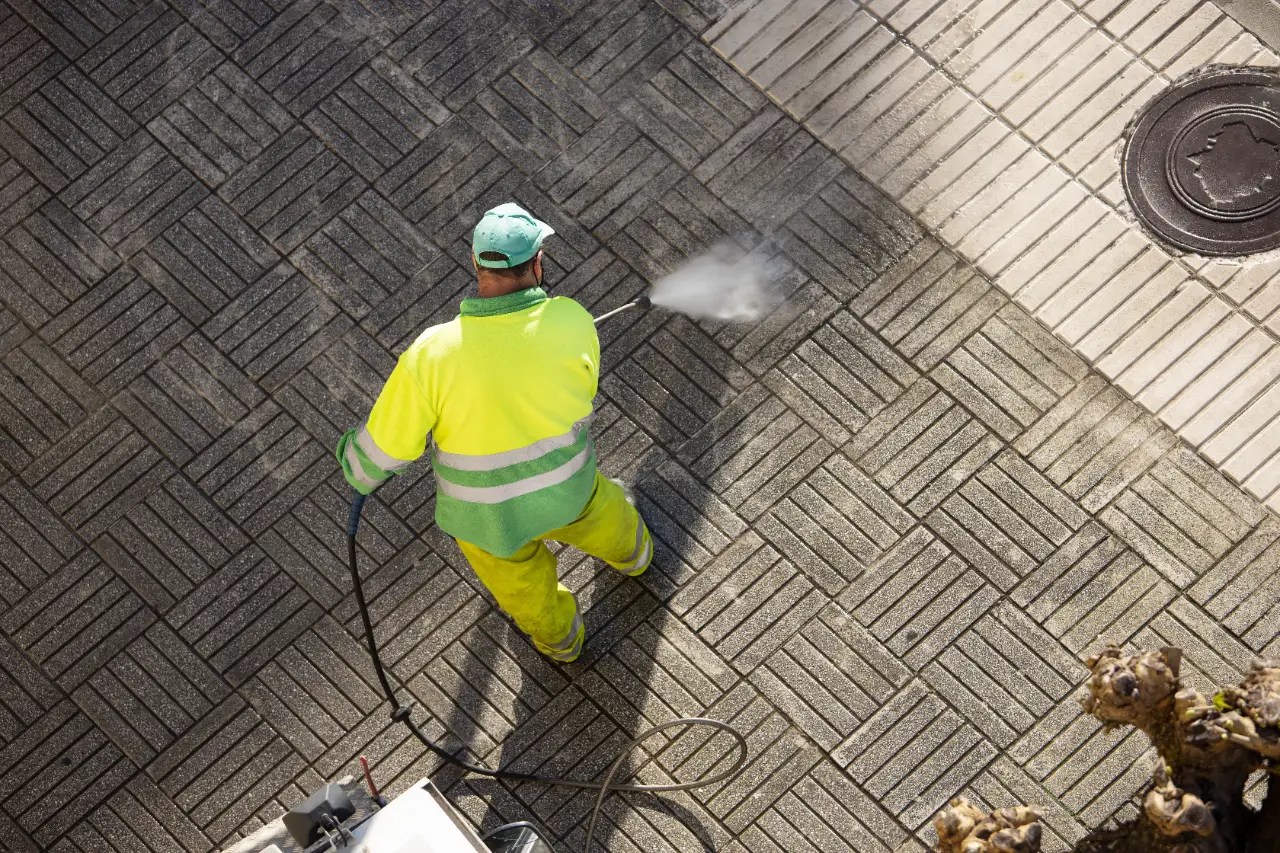
For most Cape Cod homes, washing the exterior once a year is a good baseline. An annual soft wash lifts off the salt, dirt, mold, and algae before it has a chance to stain or damage your siding.
Some homes need it more often. If your house sits in heavy shade, close to the water, or under lots of trees, you may want to wash twice a year to stay ahead of growth.
The goal is to clean the buildup before it settles in and becomes hard to remove. A yearly wash also gives you a chance to look over your siding for any cracks or loose panels. Regular, gentle washing protects both the look and the surface.

Roofs, Decks, and Driveways Have Their Own Schedule
Different surfaces need different timing. Roofs don't need washing as often as siding, but those black streaks and green patches you see are algae, and they should be cleaned with low pressure every couple of years to protect the shingles.
Decks pick up mildew and gray weathering, so a wash once a year keeps the wood or composite in good shape and ready to seal. Driveways and walkways collect oil, dirt, and grime, and a yearly wash keeps them looking clean and safe.
Each surface has its own pace, but a simple rule works well: check them each year and wash whatever has built up. That keeps your whole property in shape.
Signs It's Time to Wash Now
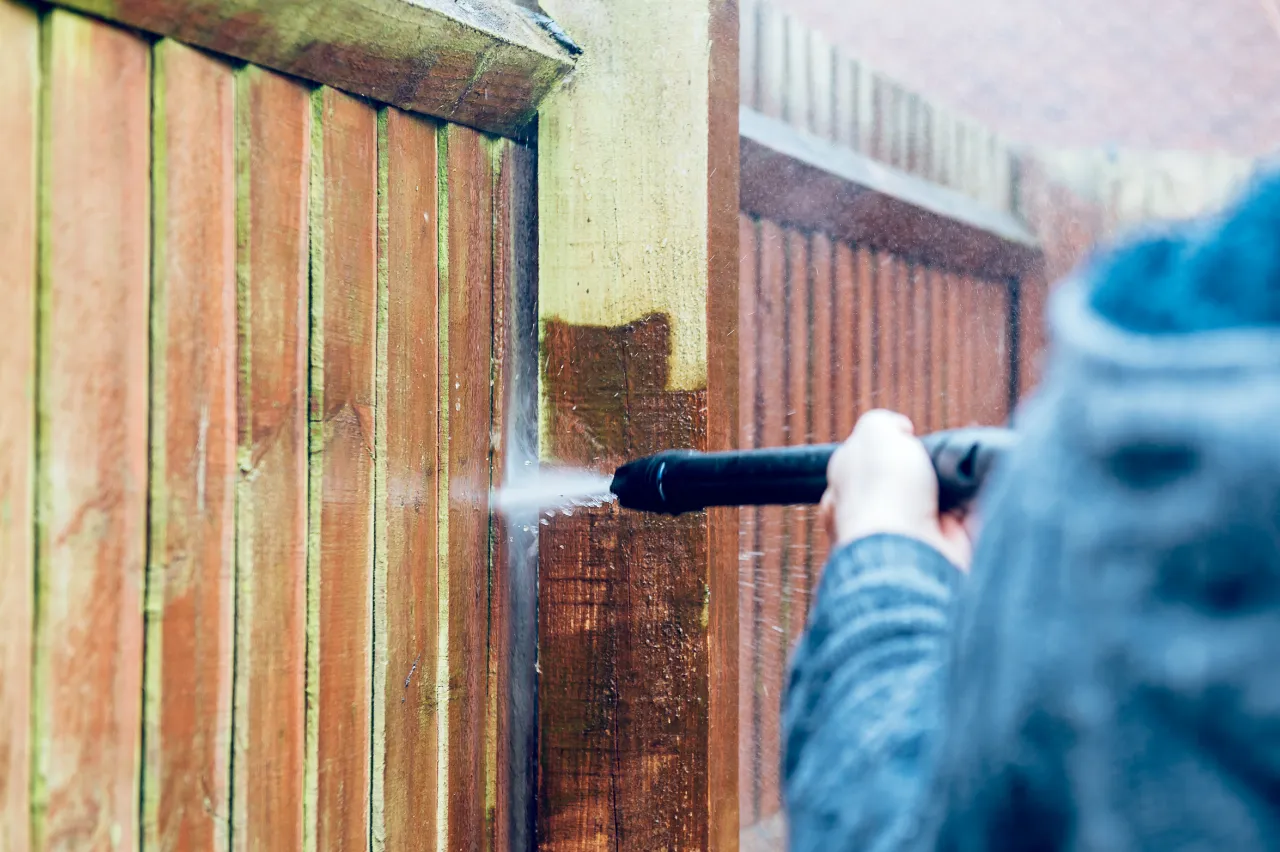
Beyond a set schedule, your home will tell you when it needs a wash. Green or black streaks on the siding or roof are algae and mildew taking hold, and they only spread. A slippery, slick deck or walkway is a safety issue that a wash fixes fast.
If your driveway is stained and dingy, or your house just looks dull and dirty, those are all signals.
Don't let the buildup get bad, since it's harder to remove once it sets in and can damage the surface underneath. When you spot these signs, it's time. A timely wash is easier, cheaper, and better for your surfaces than a deep scrub later.
Frequently Asked Questions
Once a year is a good baseline. Homes in heavy shade, near the water, or under trees may need a wash twice a year to stay ahead of algae.
Not when it's done right. We use low-pressure soft washing on delicate surfaces like siding and roofs, which cleans them without any damage.
Every couple of years is usually enough. Low-pressure cleaning removes the algae and black streaks that build up, which protects your shingles.
Salt air and coastal humidity feed mold, mildew, and algae. That's why Cape Cod homes often need washing a bit more often than inland homes.
Spring and fall are both great. A spring wash clears winter grime, and a fall wash gets your home clean before the cold and snow set in.