
What Affects the Cost of Siding Replacement in Massachusetts?
What Really Drives the Price?
When you start looking into new siding, the first thing you want to know is what it'll cost. That's completely fair, but online price ranges can be misleading, since no two homes are the same.
The honest truth is that siding replacement cost depends on a handful of real factors, and understanding them helps you plan a realistic budget. In Massachusetts, coastal weather and older homes add their own wrinkles to the math.
Rather than throw out a number that may not fit your home at all, this guide explains what actually moves the price up or down.
The Size and Shape of Your Home
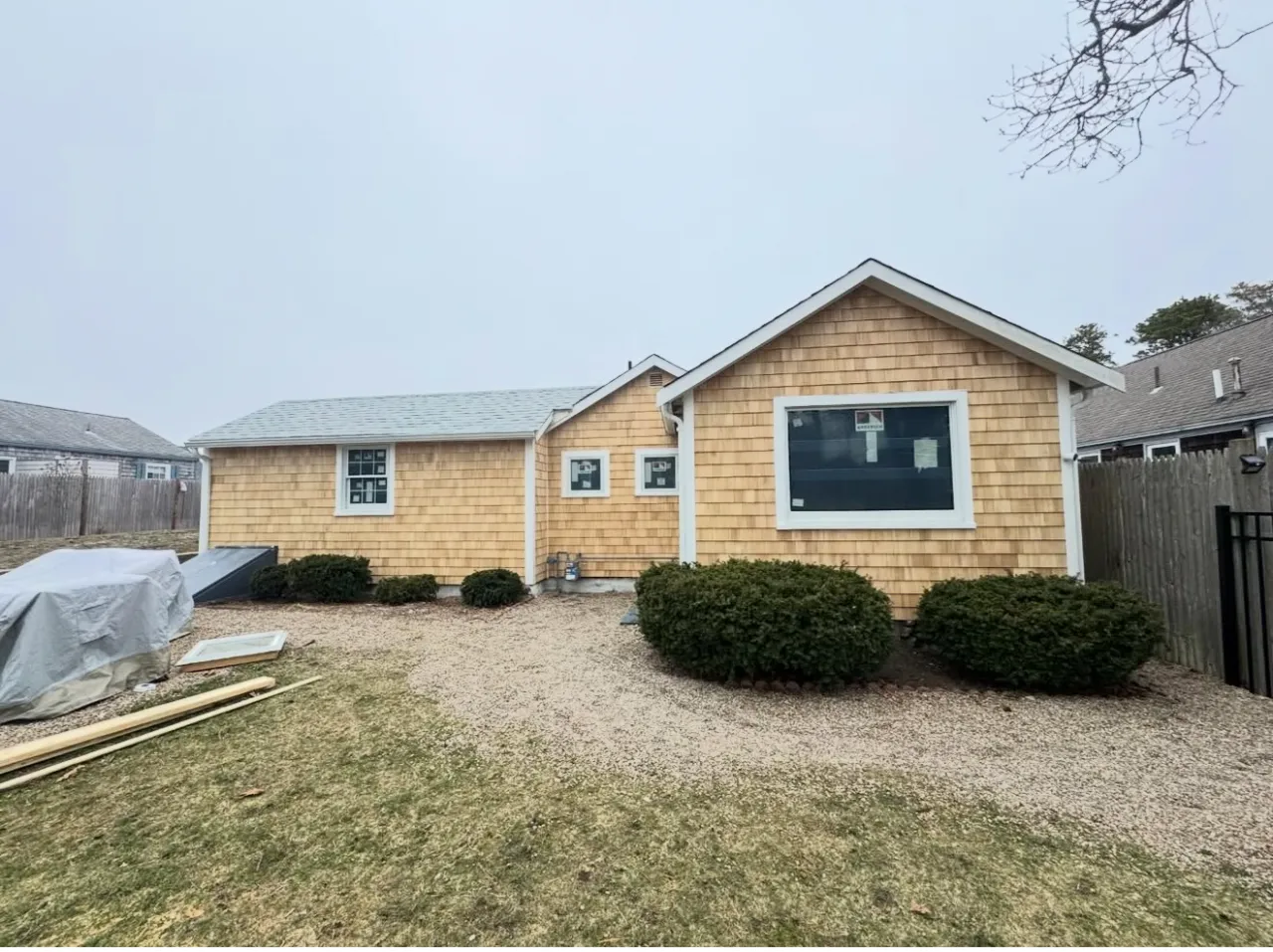
The biggest driver of siding cost is simple: how much siding your home needs. A larger home has more wall area to cover, which means more material and more labor. But size isn't the whole story. The shape matters just as much.
A simple, boxy home is quicker to side than one with lots of corners, peaks, dormers, and angles. Every extra corner and cut adds time and detail work. Multi-story homes also cost more, since they take more setup and safety measures to reach.
Two homes with the same square footage can price out very differently based on how complex their exteriors are. This is why a real quote starts with measuring your specific home.
The Material You Choose
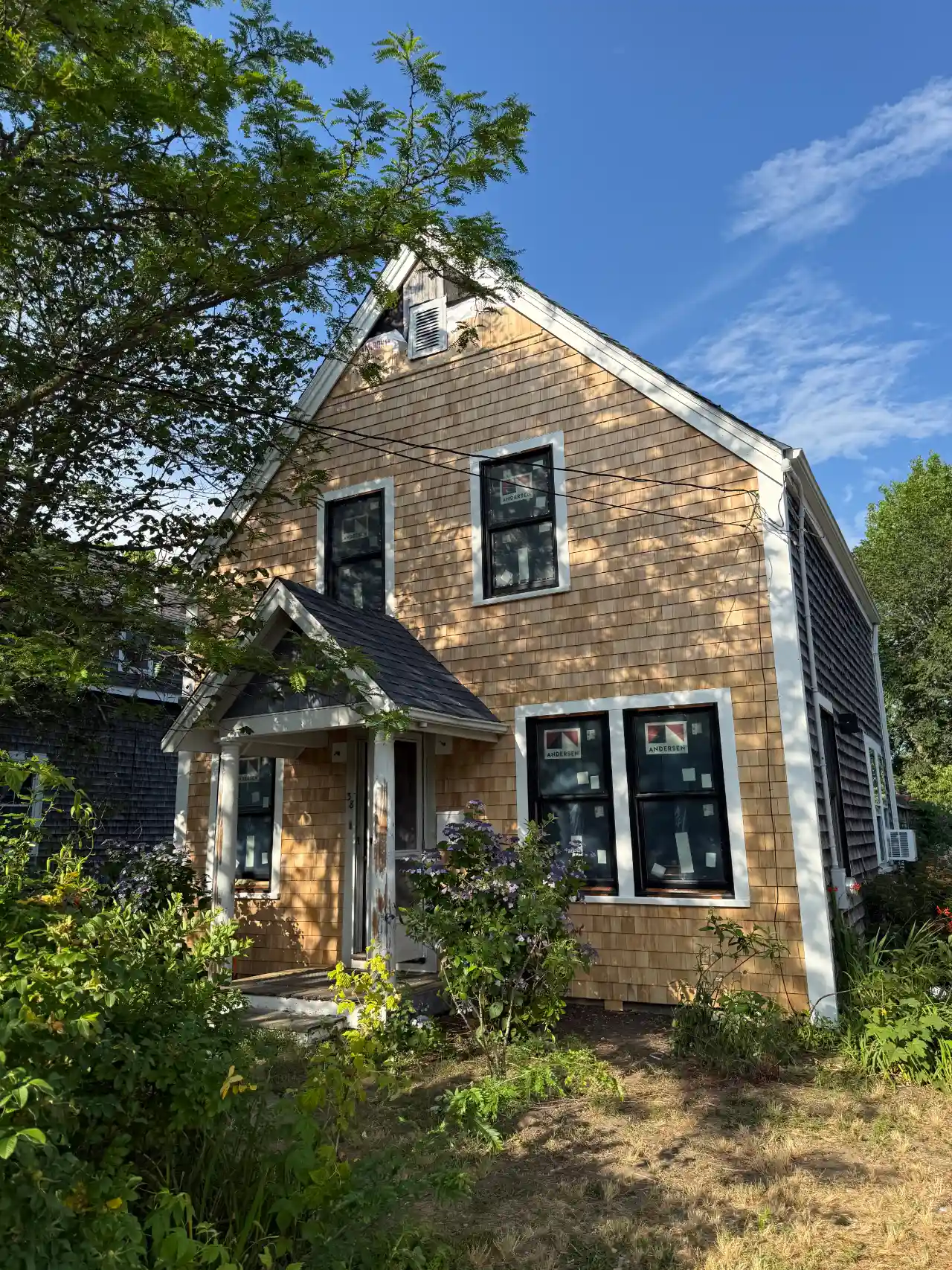
The siding material is the next big factor. Budget-friendly options like vinyl cost less per square foot, which keeps the total down. Premium materials like fiber cement cost more upfront but offer a different look and added durability.
The material you pick can shift the total quite a bit, so it's worth understanding the trade-offs before you decide. Beyond the siding itself, choices like added insulation, trim details, and accent work all affect the final number.
More material and more detail mean a higher cost, but they can also mean better performance and looks. We'll walk you through the options in plain terms, so you can match the material to both your budget and your goals.
What's Underneath the Old Siding
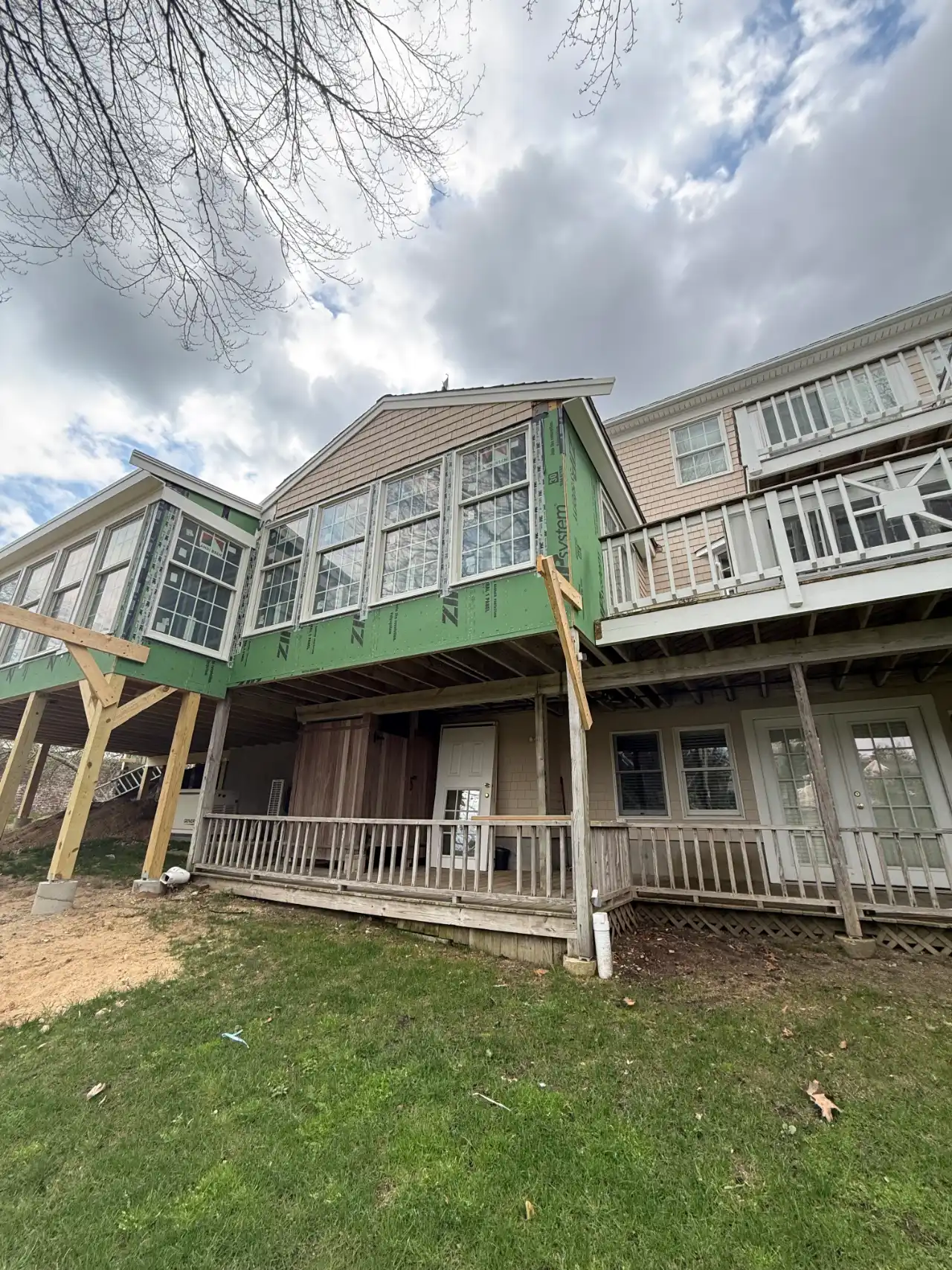
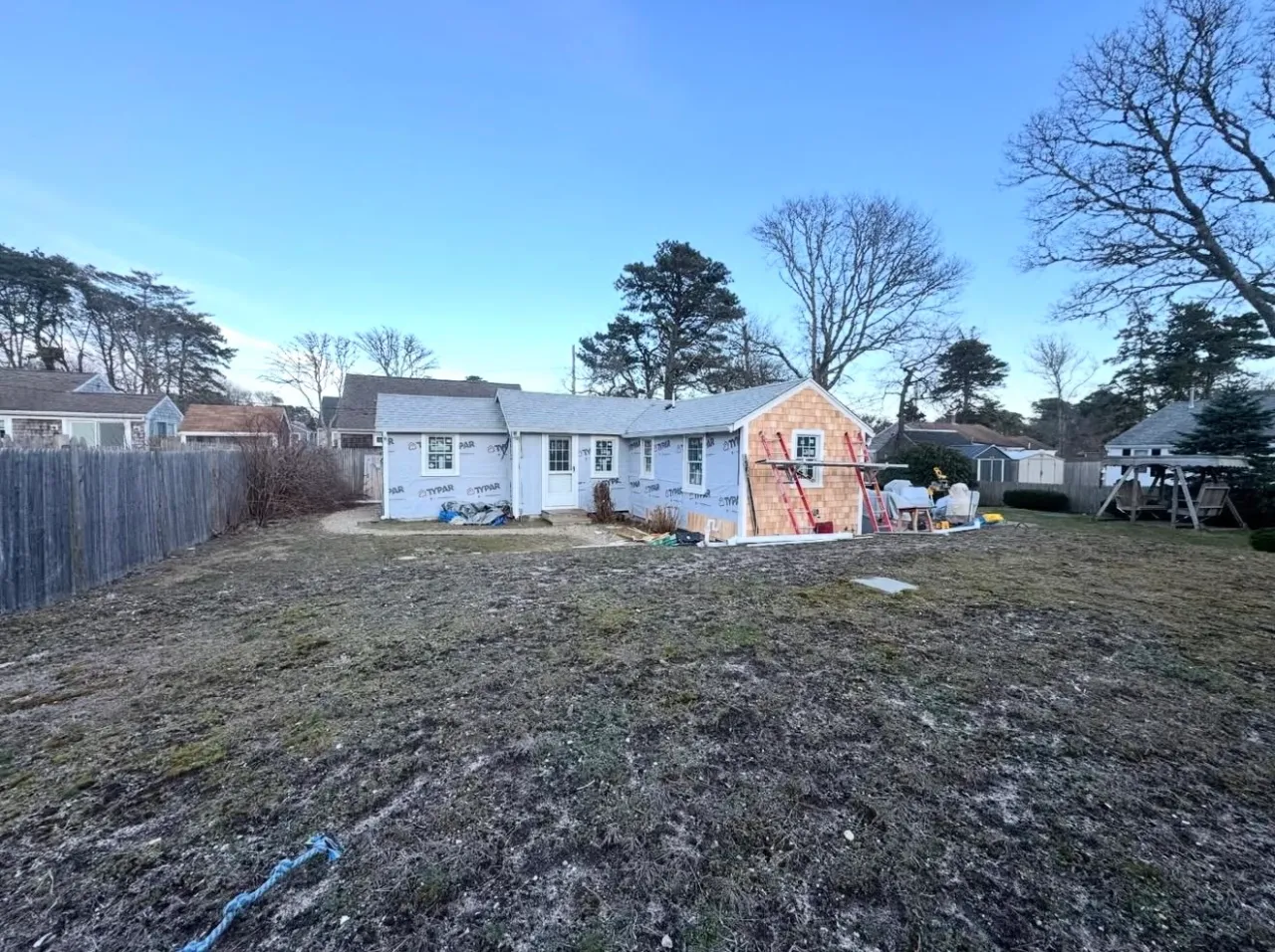
Here's a factor many homeowners don't expect: the condition of what's behind the old siding. When we remove the existing material, we sometimes find damage that has to be fixed before new siding goes on.
Rotted sheathing, water damage, or old moisture problems all need repair first. On the coast, salt air and driving rain make hidden moisture damage more common on older homes.
You can't always know what's back there until the old siding comes off. A good contractor inspects thoroughly and is upfront about the possibility. Fixing these issues adds to the cost, but skipping them means new siding over a bad wall, which fails early and costs far more later.
Why a Real Estimate Beats a Ballpark
By now it's clear why an online price range can steer you wrong. Your cost depends on your home's size, its shape, the material you choose, and what's hiding under the old siding. A number pulled off a website doesn't know any of that.
That's why we won't quote you a figure over the phone before we've seen your home. Instead, we come out, measure, inspect, and talk through your options. Then you get a real estimate built around your actual home, not a guess.
It's free and there's no obligation. A clear, honest quote beats a ballpark every time, because it tells you what you'll really pay and why.
Frequently Asked Questions
It depends on your home's size and shape, the material you choose, and what's under the old siding. A free estimate gives you a real number.
Vinyl is usually the most budget-friendly choice. It keeps material costs down while still offering good looks and very low maintenance.
Homes differ in size, shape, material, and hidden condition. Those factors move the price a lot, which is why real quotes vary from home to home.
Sometimes. Rot or moisture damage can hide behind old siding. We inspect thoroughly and tell you upfront if repairs are needed before new siding.
Yes. We come out, measure, inspect, and give you a free, no-obligation estimate built around your actual home, not an online guess.