
How Do You Know When Your Cape Cod Roof Needs Replacing?
What Every Homeowner Should Know
A roof rarely fails all at once. On Cape Cod, salt air, wind, and nor'easters wear it down slowly, and most homeowners miss the early warning signs. By the time you spot a leak inside, the damage is usually worse than it looks.
The good news is that a roof gives you plenty of clues before it gives out. If you know what to watch for, you can plan a roof replacement on your own terms instead of scrambling after a storm. A planned replacement is almost always cheaper and less stressful than an emergency one.
Below, we walk through the signs that your Cape Cod roof is near the end, why each one matters, and how to tell a simple repair from a full replacement.
Your Shingles Are Curling, Cracking, or Missing
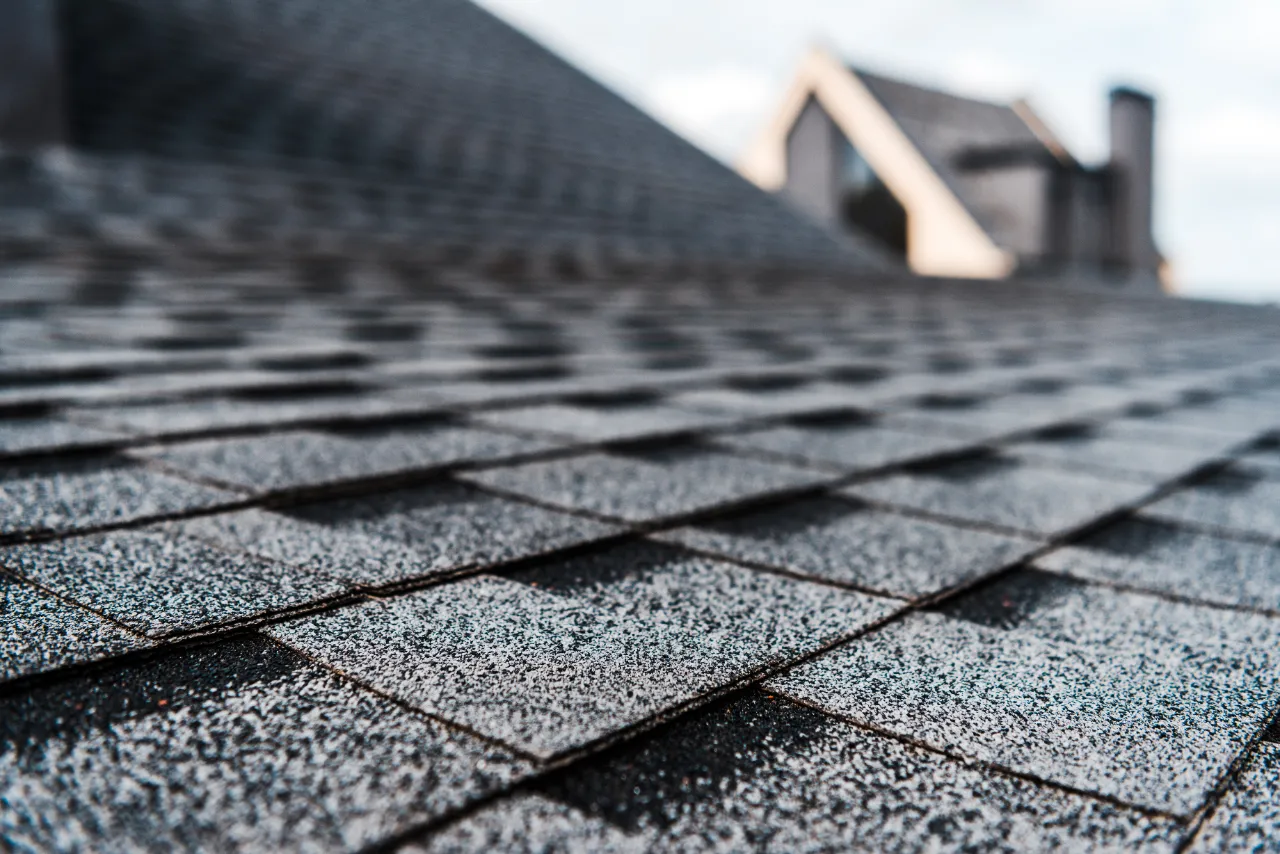
Shingles are the first thing to go. Look up from the ground and look over shingles that curl at the edges, crack down the middle, or sit crooked. Bald spots where the granules have washed off are another red flag.
On the Cape, wind lifts and loosens shingles over time, and salt air speeds up the wear. A few damaged shingles can be repaired. But when the damage is spread over the whole roof, patching stops making sense.
If your shingles look dry, brittle, or patchy from the street, your roof is telling you it's near the end. That's the point to get a real inspection instead of another quick fix.
You See Leaks, Stains, or Daylight in the Attic
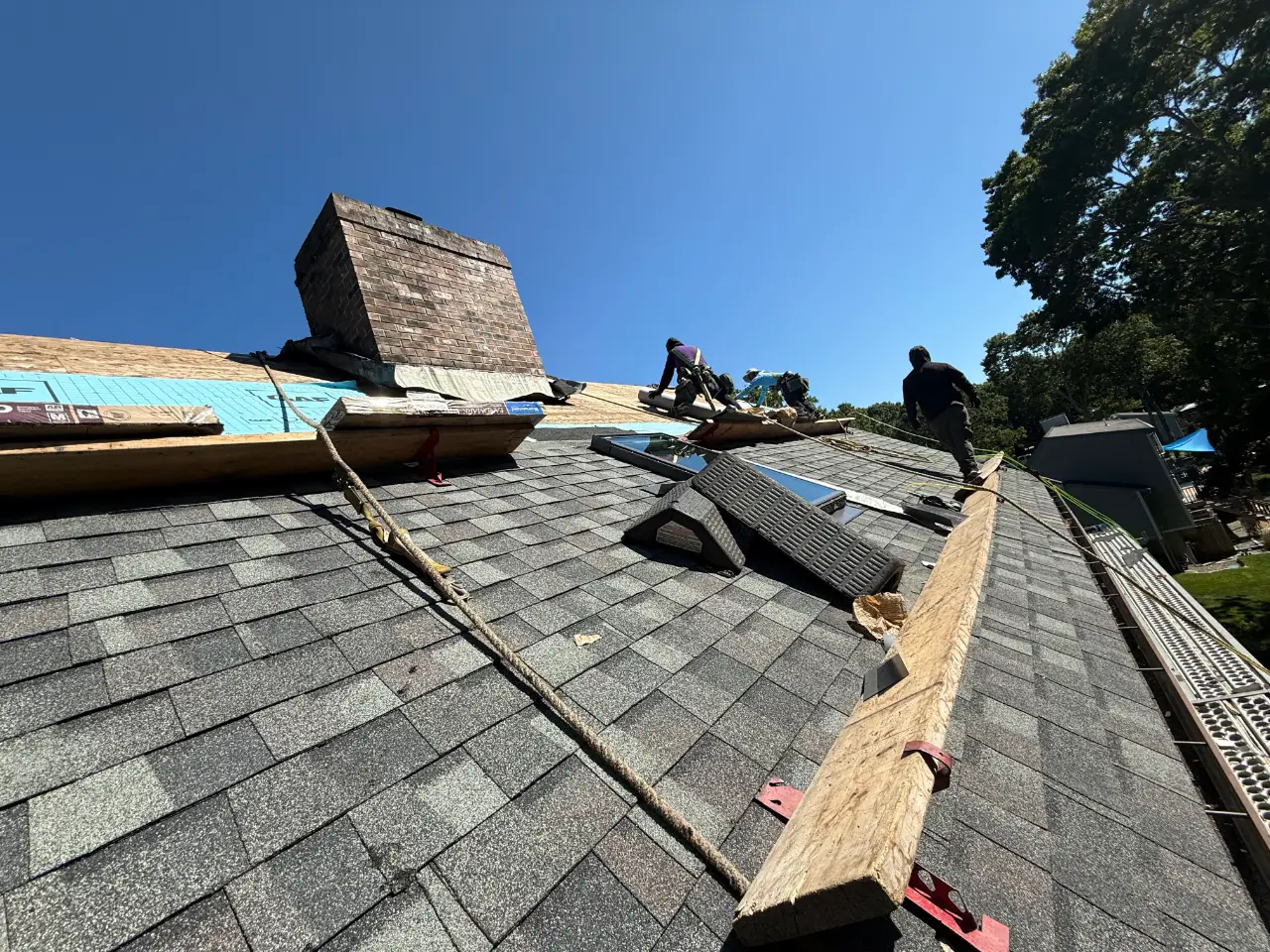
Head up to your attic on a bright day and look at the underside of the roof. If you see daylight coming through, water can get through too. Dark stains, damp spots, or a musty smell mean water is already finding its way in.
Water rarely enters right where the stain shows, so the leak may be somewhere else entirely. That's why a small ceiling stain can point to a bigger problem overhead.
Left alone, that moisture rots the wood deck, ruins insulation, and grows mold. If your attic shows any of these signs, don't wait.
Your Roof Is Old or Sagging
Age matters. Most asphalt shingle roofs last around twenty years, and coastal weather can shorten that. If your roof is close to that range, it's smart to plan ahead.
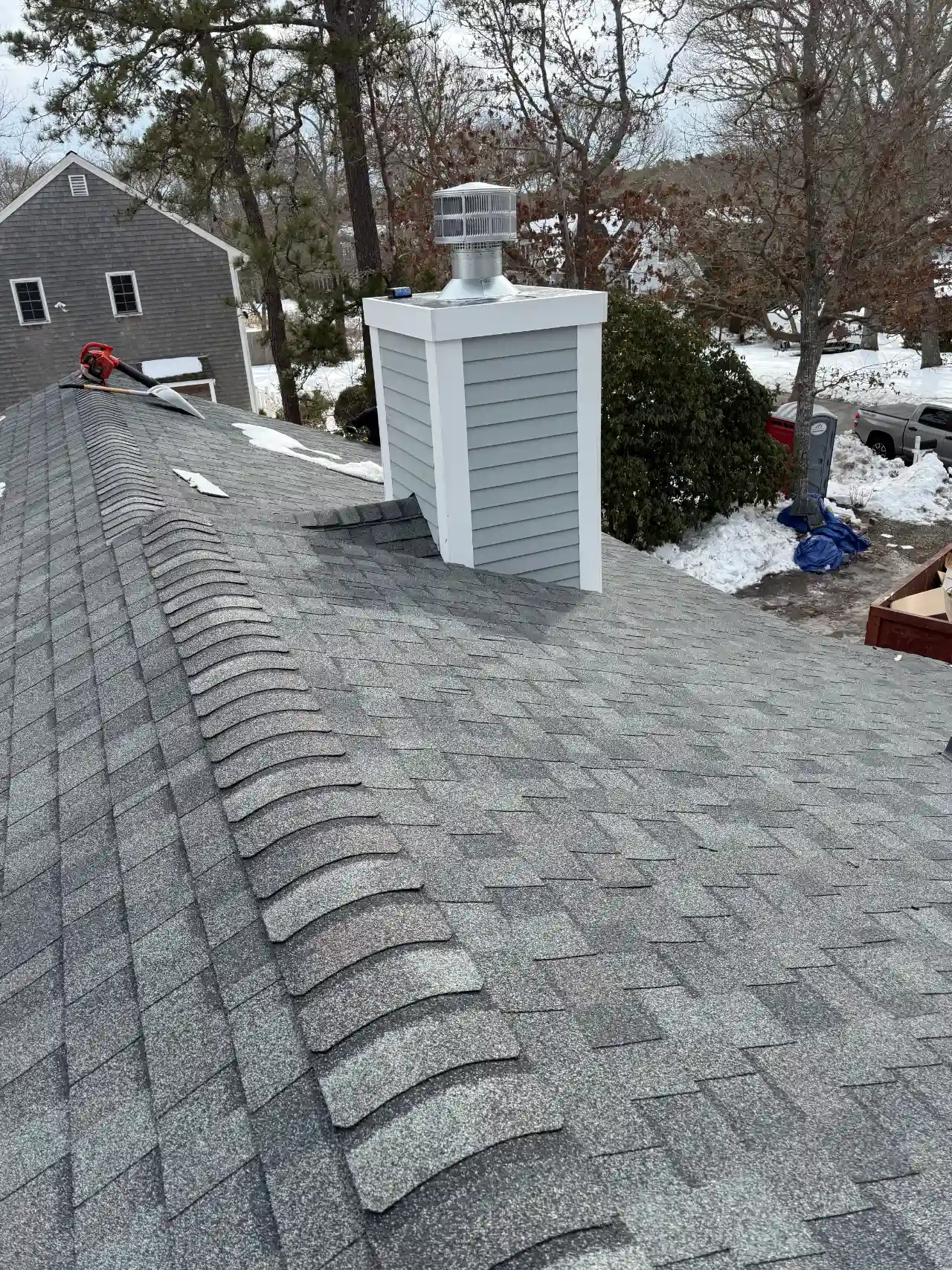
Sagging is more serious. A roofline that dips or waves usually means the deck underneath is soft or the structure is stressed. That's not a problem you want to put off, since it points to water damage or a weak frame.
Run your eye along the ridge and edges of your roof. A straight, even line is healthy. A sag, dip, or bow is a sign the roof needs professional attention soon, and often a full replacement.
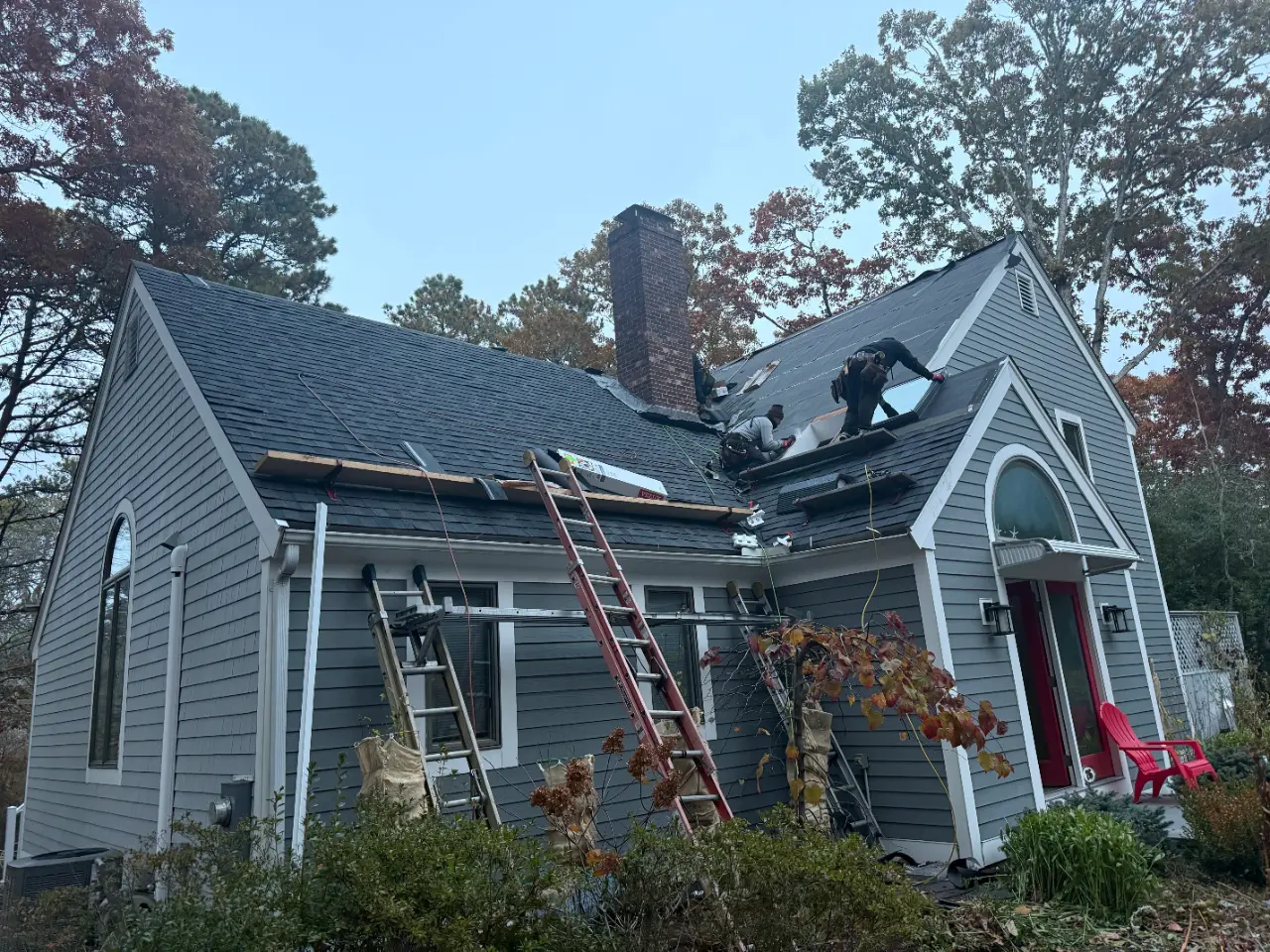
Storm Damage Keeps Coming Back
Cape Cod takes a beating from coastal storms and nor'easters every year. If you find yourself calling in the same repairs after every big storm, that's a pattern worth noticing. A roof that fails again and again is a roof that's worn out.
Each patch buys a little time, but the underlying material is done. At some point, repeated repairs cost more than a new roof would.
Wind and driven rain also loosen flashing around chimneys and vents, which are common leak points here. If storms keep finding new ways into your home, a full replacement gives you a clean start and real peace of mind before the next one hits.
Frequently Asked Questions
Most asphalt shingle roofs last around twenty years, but salt air and coastal storms can shorten that. Regular inspections help you catch wear early.
Sometimes, yes. If the damage is limited and the roof is fairly new, a repair works. Widespread wear usually means it's time to replace.
It can be. A sag points to a soft deck or a structural issue. Get it inspected quickly, since it often means water damage underneath.
Any interior stain means water is getting in. Even a small spot can point to a larger leak. It's worth having it checked before it spreads.
Yes. We'll inspect your roof, explain what we find in plain terms, and give you a free, no-pressure estimate on any work you need.